
A Technical Guide to Paint Selection for Durbanville Properties
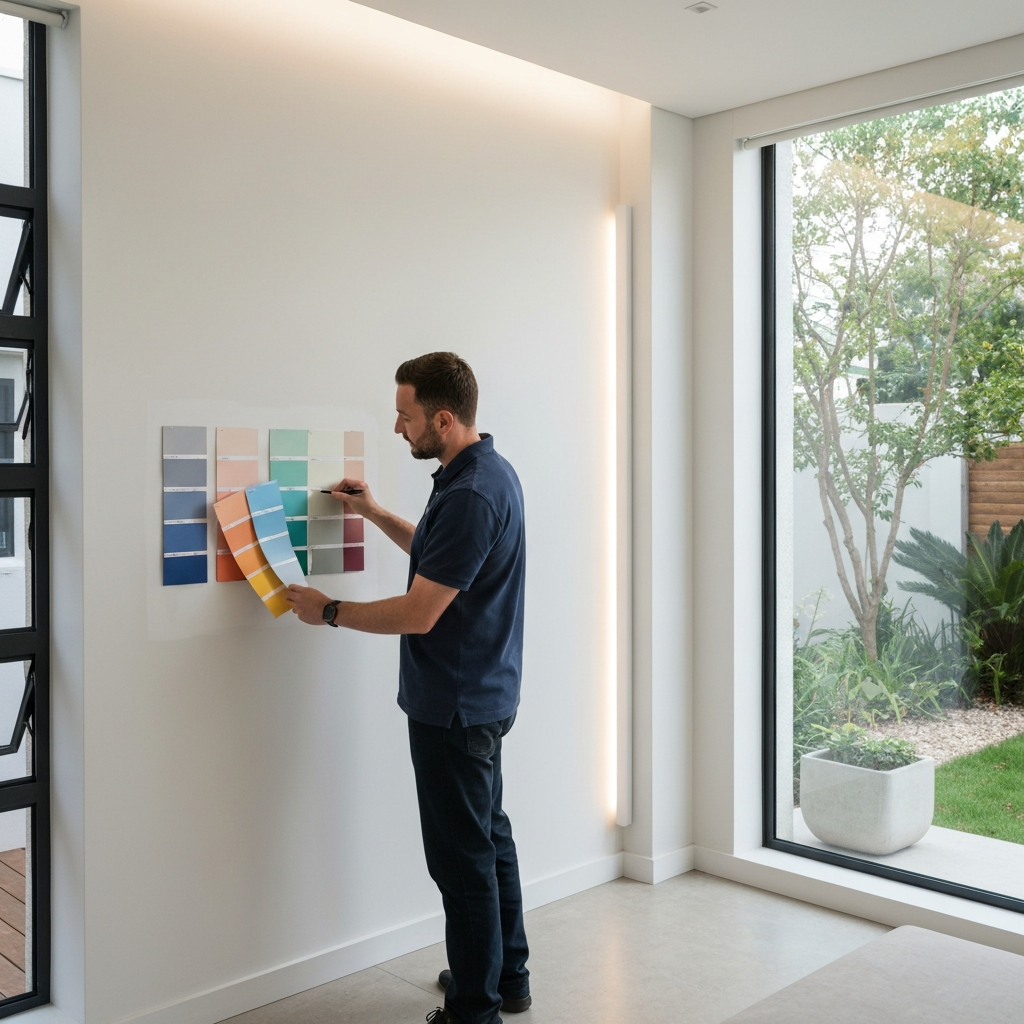
Selecting the correct paint is a technical decision based on substrate, exposure, and desired performance. The branding on the tin is less important than the technical data sheet that defines its formulation and intended use.
Having reliable suppliers that stock SABS-approved materials is important. Infinite Global Projects works with Builders Warehouse, Brights Hardware, Timbercity, and other trusted local providers.
Exterior Coatings: Selecting for UV Resistance and Flexibility
The primary function of an exterior paint system in Durbanville is to protect the structure from the Western Cape’s harsh environmental cycles. This requires a coating with high UV resistance to prevent premature fading and chalking from intense summer sun, and excellent flexibility to accommodate the thermal expansion and contraction of walls between hot days and cool nights.
Standard PVA paints often lack the polymer flexibility required, becoming brittle over time and developing hairline cracks that allow moisture ingress. We prioritise premium acrylic formulations, such as those found in Plascon Micatex or Dulux WeatherGuard, which contain specialised binders that maintain their elasticity for years. These coatings are also engineered for high water vapour permeability, allowing the walls to “breathe” and release trapped moisture, which is a key factor in preventing damp.
The Role of Film Thickness and Solids Content
The durability of exterior coatings depends heavily on Dry Film Thickness (DFT), which creates a robust barrier against weathering and abrasion. Professional applications ensure the DFT meets warranty specifications by applying multiple topcoats rather than a single layer. A paint’s solids content is equally critical, as higher volumes leave more protective material behind once the solvents evaporate. Conversely, cheaper, low-solids paints result in thin, ineffective films that significantly shorten the coating’s service life. Proper thickness and quality solids are essential for achieving long-term structural protection.
Interior Paint Systems: From Primers to Topcoats
Interior paint selection is driven by the specific demands of the room. High-traffic areas like hallways and commercial spaces require coatings with high scrub resistance, typically found in high-quality acrylic paints with a satin or sheen finish. These finishes are less porous than a standard matt, making them easier to clean without burnishing the surface.
For rooms prone to high humidity, such as kitchens and bathrooms, a paint formulated with anti-fungal biocides is essential to inhibit the growth of mould and mildew. The choice of primer is equally important. New plaster, for instance, is highly alkaline and requires a specialised plaster primer to seal the surface and prevent the topcoat from saponifying and failing.
Specialised Coatings for Floors and Metalwork
Beyond walls and ceilings, specific substrates demand engineered solutions. Garage floors, for example, require a two-part epoxy floor coating to withstand hot tyre pickup, chemical spills, and heavy foot traffic. A standard floor paint would lift and peel under these conditions.
Similarly, metal surfaces like gates and burglar bars must be treated with a direct-to-metal (DTM) paint or a system involving a zinc phosphate primer to actively prevent rust formation.
- Exterior Walls: Premium pure acrylic paint with high UV resistance and flexibility.
- Roofs: A dedicated roof coating with high elasticity for metal roofs, or a durable, colour-fast paint for cement tiles.
- Interior Walls (High Traffic): A washable acrylic with a durable sheen finish.
- Bathrooms/Kitchens: A moisture-resistant paint containing anti-fungal additives.
Metal Surfaces: A corrosion-inhibiting primer followed by a durable topcoat like a polyurethane enamel.
Simply applying a standard acrylic paint to steel provides a poor bond and offers no corrosion resistance, leading to rapid failure and rust bleed-through. Our specifications always match the coating system to the substrate’s unique requirements.
Secure Your Property with Infinite Global Projects
We select materials based on performance data and suitability for the specific application, not just brand loyalty. Our technical assessments ensure every layer of the coating system, from primer to final coat, is correctly specified to deliver maximum protection and longevity.
Professional implementation is the only way to ensure the paint system performs as designed, protecting your asset from the specific environmental challenges faced in Durbanville. A data-driven site assessment allows us to specify the correct materials and preparation methods from the start. Get a quote using the button below.
FAQs
Which paint brands do you use for exterior surfaces?
We primarily specify high-performance exterior coatings from leading manufacturers like Dulux and Plascon. The specific product line, such as Dulux WeatherGuard or Plascon Micatex, is chosen based on the substrate condition and the level of weather exposure the property faces.
What is the difference between standard paint and a waterproofing system?
Standard paint is primarily decorative and offers limited protection against water ingress. A waterproofing system is a multi-layer, high-build membrane designed to create an impermeable barrier. It is far more robust, flexible, and essential for areas like parapets and foundations.
Do you offer specialised coatings like epoxy for garage floors?
Yes, we are experienced in the application of industrial-grade, two-part epoxy coatings for garage and workshop floors. These systems provide superior resistance to abrasion, chemicals, and hot-tyre pickup compared to any standard floor paint.