
Turnkey Building Solutions for Durbanville Homeowners
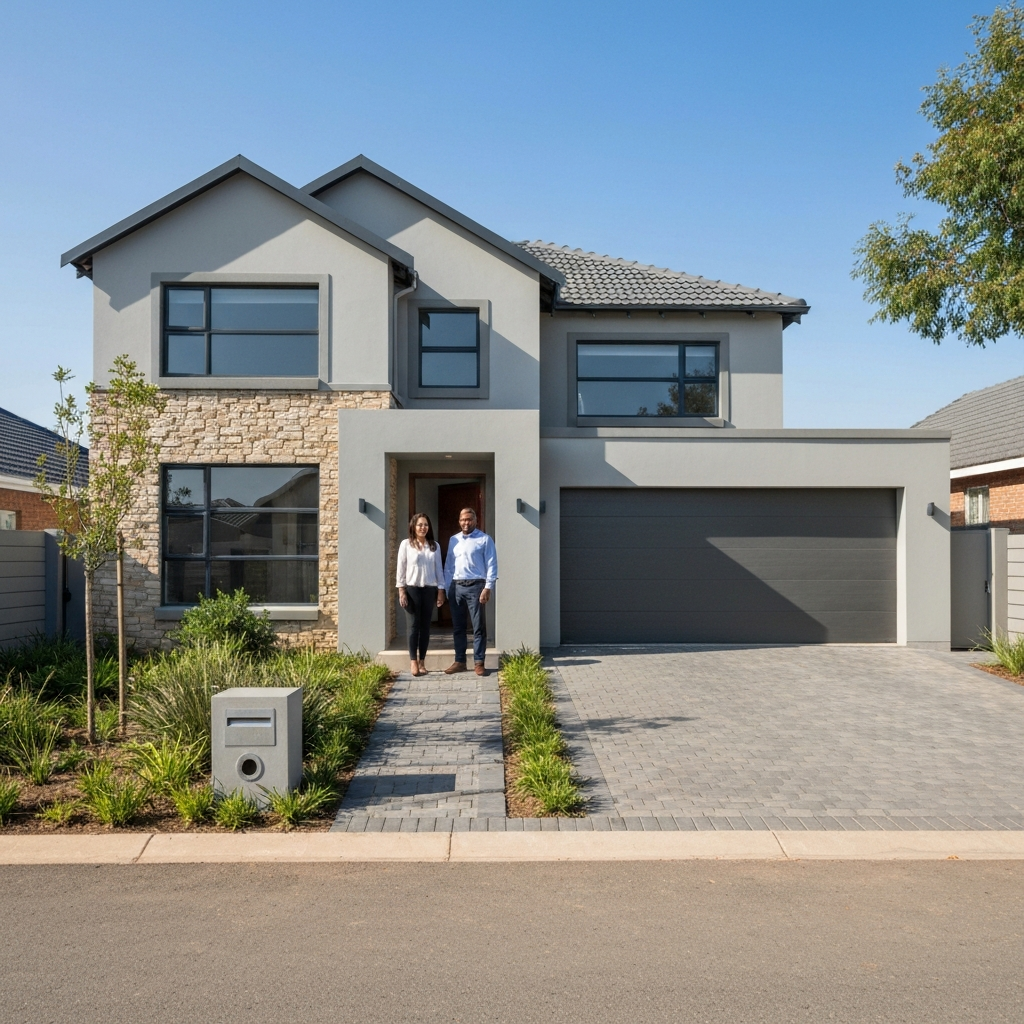
The term “turnkey” implies a single point of responsibility for a project, from initial concept to final handover. It is a process designed to manage complexity, but its value is determined by the technical and financial variables that are controlled within that process. The cost per square metre is a blunt instrument for measurement; a true turnkey solution provides value by managing material specifications, labour efficiency, and regulatory compliance to deliver a predictable outcome.
Using quality SABS-approved materials is also essential for durable carpentry and steelwork projects. Infinite Global Projects sources materials from trusted suppliers such as Builders Warehouse, Brights Hardware, and Timbercity.
Analysing the Variables That Drive Construction Costs
The widely quoted cost per square metre for residential construction is an average, not a fixed price. The final cost of a project in Durbanville is driven by three core technical factors: site conditions, structural complexity, and the grade of specified materials. Site conditions are the first variable. A sloped property requires more extensive earthworks, retaining walls, and potentially complex foundation designs compared to a flat, level site.
The soil classification itself impacts foundation costs; reactive clay soils, for instance, may necessitate an engineered raft foundation, a significantly higher cost than standard strip footings. These are non-negotiable engineering requirements that are determined by a geotechnical assessment, not by choice. They represent a significant cost factor before a single brick is laid.
Material Grades and Structural Design
Structural complexity and material grades are primary drivers of construction costs and long-term performance. Simple footprints with standard roofing are more economical than multi-level designs requiring expensive steel beams and increased labor. Beyond aesthetics, the quality of “unseen” components; like insulation density, glass ratings, and corrosion-resistant fasteners; is vital for structural integrity. While higher-grade materials increase initial spending, they significantly improve energy efficiency and reduce future maintenance. Ultimately, balancing design complexity with premium technical specifications ensures a more resilient and cost-effective building.
The Financial Impact of Load Shedding and Logistics
Operational factors unique to the South African context also exert significant pressure on project costs and timelines. Persistent load shedding directly impacts productivity, forcing contractors to factor in the cost of running generators or account for lost man-hours when power-dependent activities are halted. This isn’t a minor inconvenience; studies have shown it causes tangible time and cost overruns on projects.
Furthermore, it can affect the supply chain, with material manufacturers also facing production delays. A turnkey provider must have the logistical capability to manage these disruptions through careful scheduling and, where necessary, investment in on-site backup power.
Cost Control Through Project Management
Effective project management is the mechanism that controls these variables. A turnkey solution provides value by centralising procurement, scheduling, and quality control.
This allows for better negotiation with suppliers, ensures SABS-approved materials are used consistently, and coordinates various trades, from plumbing to electrical, to work efficiently and avoid rework.
Key Cost-Influencing Factors:
- Geotechnical Conditions: Sloped sites or problematic soils increase foundation and earthworks costs.
- Structural Complexity: Intricate designs require more labour and higher-specification structural materials.
- Material Specification: The grade of insulation, glazing, and fasteners impacts both upfront cost and long-term performance.
- Operational Delays: Factoring in the financial impact of load-shedding on productivity and the supply chain.
The project manager is the single point of contact responsible for translating the architectural plans into a physical structure, while navigating the complex realities of municipal inspections, supplier deliveries, and labour management on a daily basis. This disciplined oversight is what prevents budget creep and ensures the project is delivered to the specified technical standard.
Secure Your Property with Infinite Global Projects
A true turnkey service delivers certainty in an environment of many variables. We provide a fully managed building solution that accounts for the real-world technical and logistical challenges of constructing in Durbanville.
Our detailed cost analysis goes beyond a simple square meter rate to give you a transparent view of where your investment is going, from engineered foundations to the final SANS-compliant finishes. Get a quote using the button below.
FAQs
What is the average cost per square metre for building in Durbanville?
In 2026, the general range for a standard quality new home build in the Western Cape is typically between R12,000 and R18,000 per square metre. However, this figure is highly dependent on factors like the complexity of the design, the slope of the land, and the level of finishes specified. A premium or luxury build can easily exceed R20,000 per square metre.
How do you ensure the quality of subcontractors, like electricians and plumbers?
We only work with a vetted network of qualified and licensed tradespeople who we have a long-standing relationship with. All electrical work is performed by a registered electrician who issues a Certificate of Compliance (CoC), and all plumbing work is done by a licensed plumber who provides a corresponding plumbing certificate, as required by law.
How do Durbanville’s site conditions impact my total building cost?
The topography and geology of your specific plot are major cost drivers. Sloped sites require expensive retaining walls and earthworks, while reactive clay soils necessitate engineered raft foundations. We use preliminary geotechnical assessments to factor these non-negotiable engineering requirements into your quote early, preventing “hidden” budget creep once construction begins.
How do you manage delays caused by load shedding and supply chain issues?
We mitigate power instability through proactive scheduling and on-site backup power to keep power-dependent trades moving. By centralizing procurement, we also secure long-lead-time materials in advance. This logistical oversight shields your project from the productivity losses and manufacturer delays that typically drive-up costs in the South African context.